Updated: May 2026
A 2024 Price Guide for Private Komodo Liveaboard Diving Charters
- Charter costs are dictated by vessel class, guest capacity, and season.
- Luxury phinisi schooners, handcrafted Indonesian sailing ships, represent the premium end of the market.
- All-inclusive packages typically cover the vessel, crew, meals, dive guides, and tanks.
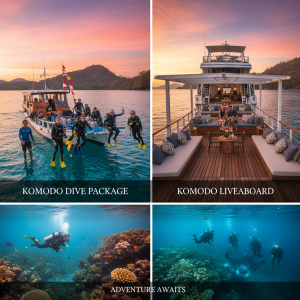
The deck is warm underfoot, the aged teak radiating the last of the afternoon sun. In the air, a blend of salt, clove, and brewing coffee mixes with the low thrum of the generator. Ahead, the volcanic silhouette of Gili Lawa Darat cuts a jagged line against a sky turning from apricot to violet. This isn’t a shared tour; there are no strangers to negotiate with over the dive plan. This is your vessel, your crew, your schedule. This is the singular appeal of a private Komodo liveaboard diving charter, an experience that moves beyond simple tourism and into the realm of true exploration. But what does this level of unparalleled access and privacy truly cost in 2024? The answer is nuanced, a reflection of a vessel’s heritage, the level of service, and the very rhythm of the seasons in this ancient archipelago.
Deconstructing the Charter Tiers: From Standard to Super-Luxe
Understanding the pricing landscape for a private komodo liveaboard diving charter begins with categorizing the vessels themselves. The fleet operating out of Labuan Bajo is diverse, and the nightly rate is the most direct indicator of the experience you can expect. We segment the market into three core tiers. The Standard Tier, typically priced between $2,500 and $4,500 per night for the entire boat, offers an authentic and functional base for exploration. These are often smaller, more traditional phinisis or motor vessels with 3-4 cabins, accommodating 6 to 8 guests. Amenities are comfortable but straightforward: expect shared or smaller en-suite bathrooms, fan-cooled or basic air-conditioned rooms, and a menu of well-prepared Indonesian cuisine. The focus here is on the destination, with a local dive guide leading you through the park’s legendary sites. At this price point, items like dive gear rental (around $40 per day) and alcoholic beverages are almost always additional costs.
Moving into the Premium Tier, from $5,000 to $9,000 per night, brings a significant leap in comfort, space, and service. These are larger vessels, often exceeding 30 meters in length, with 5 to 7 spacious, air-conditioned cabins featuring full en-suite bathrooms. The crew-to-guest ratio improves to nearly 1:1, ensuring attentive service. You’ll find dedicated camera rooms, expansive sundecks, and menus crafted by more experienced chefs blending international and local flavors. The build quality is superior, often featuring the rich tones of ironwood and polished teak throughout. This tier represents the sweet spot for many discerning groups seeking a high-end experience without venturing into the six-figure weekly price tags. Finally, the Super-Luxe Tier, starting at $10,000 and soaring past $20,000 per night, includes world-renowned phinisis like the 55-meter Prana by Atzaró or the meticulously crafted Dunia Baru. Here, you are chartering a floating five-star resort. A week-long charter can easily exceed $150,000. These vessels come with onboard spa therapists, multiple high-speed tenders, gourmet chefs, wine cellars, and sometimes even PADI course directors. The experience is flawlessly curated, from the thread count of the linens to the state-of-the-art dive equipment provided.
The Anatomy of a Liveaboard Invoice: What Are You Actually Paying For?
The advertised nightly rate is just the beginning. A charter invoice is a composite of several key costs, and a clear understanding of them is vital to budgeting accurately. The largest line item is the Base Charter Fee. This covers the exclusive use of the vessel and the salaries for its entire crew—from the captain and engineers to the chef and dive guides. It also includes fuel for a standard itinerary, which is a significant operational expense, often accounting for 15-20% of the cost. A typical 7-night charter, for instance, might cover 150 nautical miles navigating between the northern and southern reaches of the park. Most charters operate on an all-inclusive basis for essentials, meaning three chef-prepared meals per day, plus snacks, coffee, tea, and soft drinks are included. Standard diving services, including tanks, weights, and the expertise of at least one divemaster, are also part of this base fee.
However, the “exclusions” list is where you must pay close attention. The most significant of these are the Komodo National Park and Port Fees. As a UNESCO World Heritage site, the park levies fees to fund conservation and ranger patrols. For 2024, these fees are approximately $50 USD per person per day for foreign visitors, plus additional levies for diving and snorkeling activities. For a group of 10 on a week-long trip, this can add over $3,500 to the final bill. Other common extras include dive equipment rental (BCD, regulator, computer), which can run $30-$50 per person daily. Nitrox, for those certified, is typically an extra $10-$15 per fill. Finally, and crucially, there is the Crew Gratuity. While discretionary, a tip of 10-15% of the base charter fee is the industry standard for good service. On a $70,000 charter, this amounts to a substantial $7,000 to $10,500, a gesture that is deeply appreciated by the hard-working local crew.
Seasonality and Itinerary: How Timing and Route Dictate Price
The price of your private Komodo liveaboard diving adventure is intrinsically linked to the calendar. Komodo experiences two primary seasons, and the demand curve follows the weather patterns. The High Season, running from roughly April through November, corresponds with the dry season. During these months, the seas are generally calmer, especially in the often-turbulent south, and underwater visibility can extend beyond 30 meters. This is the peak period for tourism in the region, and charter prices reflect this, often carrying a 15-25% premium over low-season rates. For the most sought-after vessels, securing a charter during these months requires booking 12 to 18 months in advance. The competition for prime dates in July and August is particularly fierce.
Conversely, the Low Season spans from December to March. This is the rainy season, which can bring rougher surface conditions and reduced visibility. However, it also has its own unique advantages. The islands are lush and vibrantly green, waterfalls are flowing, and there are far fewer boats at popular dive sites like Batu Bolong and Manta Point. This is also a fantastic time for manta ray encounters, as the plankton-rich waters attract large aggregations. Charter operators are more flexible during this period, and prices can be 10-20% lower, making it a strategic choice for budget-conscious groups or those seeking a last-minute booking. The length and complexity of your itinerary also play a role. A shorter 4-day/3-night charter focusing on the central park—covering sites around Rinca and Padar—will be less costly than a comprehensive 10-day/9-night expedition that includes the remote, current-swept dive sites of the far north and the cooler, nutrient-rich waters of Horseshoe Bay in the south. The latter requires more fuel, more provisions, and more time, all of which are factored into the charter fee.
The Phinisi Factor: Why These Hand-Built Vessels Command a Premium
To speak of luxury liveaboards in Indonesia is to speak of the phinisi. These magnificent two-masted wooden schooners are more than just boats; they are floating testaments to a centuries-old maritime heritage. The art of phinisi boat-building, practiced by the Konjo people of South Sulawesi, is so unique that it was inscribed on UNESCO’s list of Intangible Cultural Heritage. Unlike modern yachts constructed from fiberglass and steel, phinisis are hand-built from tropical hardwoods like ironwood (kayu ulin) and teak, often using traditional techniques passed down through generations without formal blueprints. A 40-meter luxury phinisi can take a team of 20 craftsmen up to two years to complete. This craftsmanship, heritage, and sheer physical presence are central to their premium cost. “You aren’t just chartering a dive boat; you’re chartering a piece of living history,” explains Jean-Pierre Lemaire, a Komodo charter specialist with over a decade in the region. “The experience of sailing under canvas, even for a few hours, connects you to the archipelago in a way a motor yacht simply cannot.”
This “Phinisi Factor” translates into tangible benefits that justify the price. Their traditional design, with wide beams and heavy displacement, makes them exceptionally stable at anchor, providing a comfortable platform for living and diving. The sheer volume allows for expansive common areas—open-air dining spaces, shaded lounge decks, and sun-drenched bowsprits perfect for watching dolphins. The top-tier phinisis are custom-designed for the discerning traveler, blending this ancient form with modern function. They are not merely retrofitted cargo vessels but purpose-built luxury craft. This commitment to an authentic yet supremely comfortable experience is why a komodo diving package aboard a premium phinisi is considered by many to be the definitive way to explore the region. You are paying for the soul of the vessel as much as its amenities.
How to Secure Your Charter: Tips from an Editor’s Notebook
Navigating the booking process for a private charter requires foresight and diligence. My first and most critical piece of advice is to book early. The best vessels, particularly during the peak months of July and August, are often reserved 18 months or even two years in advance. This is not an exaggeration. The demand for high-quality private charters in Komodo consistently outstrips supply. If you have specific dates or a particular phinisi in mind, initiating the conversation well ahead of time is paramount. For those with more flexibility, consider the shoulder seasons. Months like May, June, September, and October often present the perfect compromise: excellent weather, fewer crowds, and slightly more negotiating power on pricing. These periods offer a prime window to experience the park at its best.
Next, consider your booking channel. While booking directly with a boat owner is possible, using a reputable charter broker or a specialized agency provides a crucial layer of security and expertise. A trusted partner like Komodo Divingpackage Atlas maintains a portfolio of vetted vessels, understands the nuances of each operation, and can manage the complex logistics of contracts and payments. They act as your advocate, ensuring the charter agreement is comprehensive and clear. Before signing any contract, clarify every detail. What is the exact fuel policy? Are there surcharges for visiting specific remote sites? What are the qualifications of the crew—is the lead guide a PADI Instructor or a Divemaster? How many dive tenders does the boat have, and what is their size and horsepower? These details can make a significant difference in the quality and safety of your expedition. A thorough charter agreement protects both you and the operator, ensuring expectations are aligned long before you step aboard.
Quick FAQ on Private Komodo Liveaboard Diving
What is a realistic all-in budget for a one-week luxury private charter?
For a group of 8 guests on a premium-tier phinisi, a realistic budget for a 7-night charter is a good starting point for planning. A typical breakdown would be: a $45,000 base charter fee, plus approximately $4,000 for park and port fees, another $2,500 for incidentals like gear rental, nitrox, and alcohol, and a 12.5% crew gratuity of around $5,625. This brings the all-in total to approximately $57,125, or just over $7,100 per person for an exclusive, fully-catered week of diving.
Can we completely customize our diving itinerary?
Yes, this is one of the primary advantages of chartering a private vessel. You have the freedom to collaborate with your cruise director and captain to build a schedule that matches your group’s interests. Whether you want to spend three days hunting for macro critters at Wainilu, dedicate mornings to the manta cleaning station at Karang Makassar, or repeatedly dive the thrilling currents of Batu Bolong, the choice is yours. The only caveat is that the captain always retains the final say for safety reasons, adjusting the plan based on real-time weather and sea conditions.
Is a private charter suitable for non-divers?
Absolutely. Private charters are arguably the best way for mixed groups of divers and non-divers to experience the park. While divers are exploring the underwater world, others can enjoy a multitude of topside activities. A dedicated tender can take them to a secluded beach for sunbathing, or they can go kayaking and paddleboarding through serene mangrove forests. The iconic land-based excursions, such as the trek on Rinca Island to see the famous Komodo dragons in their natural habitat or the hike to the spectacular panoramic viewpoint on Padar Island, are highlights for everyone. The itinerary can be balanced to ensure all guests have an equally memorable experience.
Ultimately, a private charter is an investment in exclusivity, flexibility, and a degree of intimacy with one of the planet’s most extraordinary marine environments. It is the difference between visiting Komodo and truly inhabiting it for a short while. Navigating the fleet of over 100 vessels operating from Labuan Bajo can be a formidable task. To explore a curated selection of vetted phinisis and secure a charter that aligns perfectly with your expectations, begin your journey with a premier komodo diving package. Our specialists possess the on-the-ground knowledge to translate your vision into a seamless, unforgettable reality.